Skip To Content


Invisalign® | NYC

Clear aligners from Invisalign use advanced technology to gently guide your teeth into their optimal positions. The best part? Your lifestyle isn’t interrupted, meaning you can still enjoy the activities you love and the foods you can’t live without. Straighten your smile in secret.
Aligned teeth are healthier

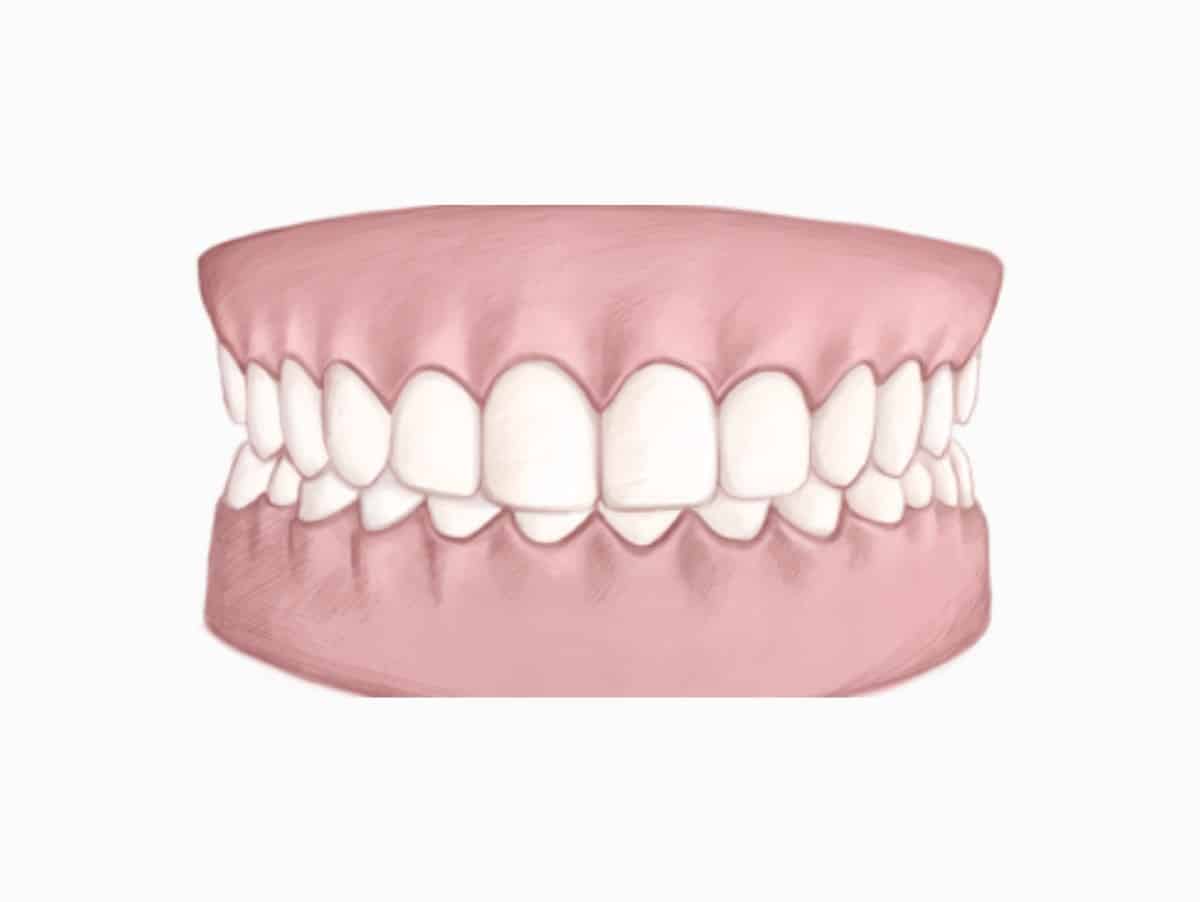
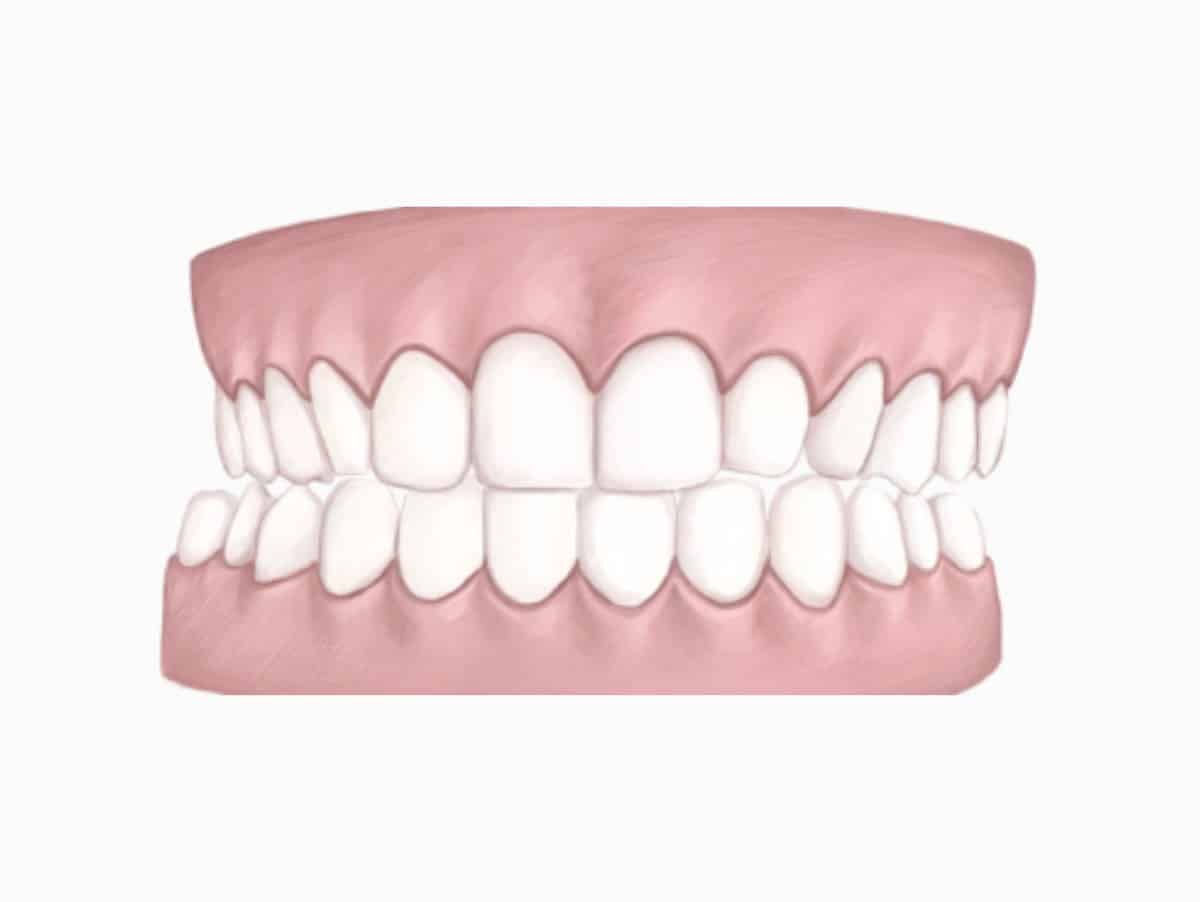
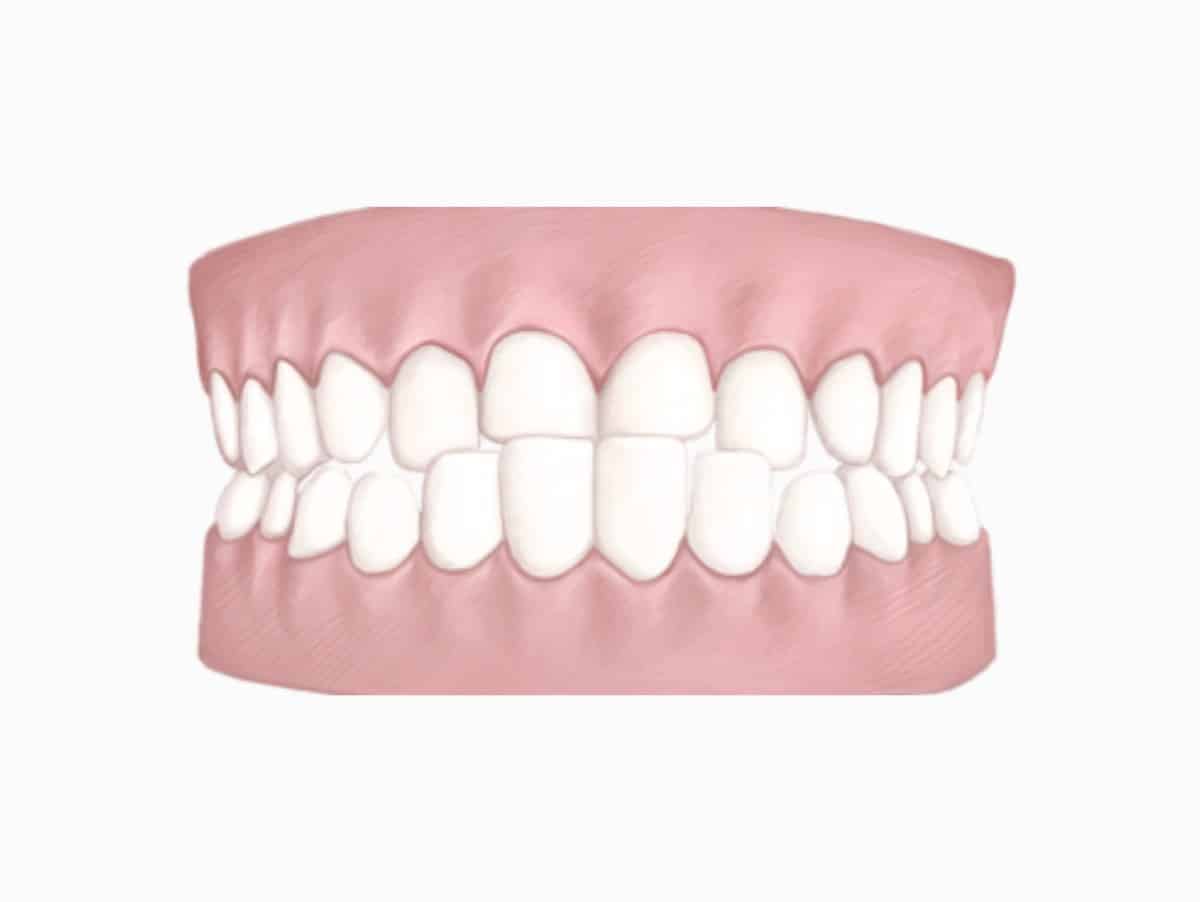
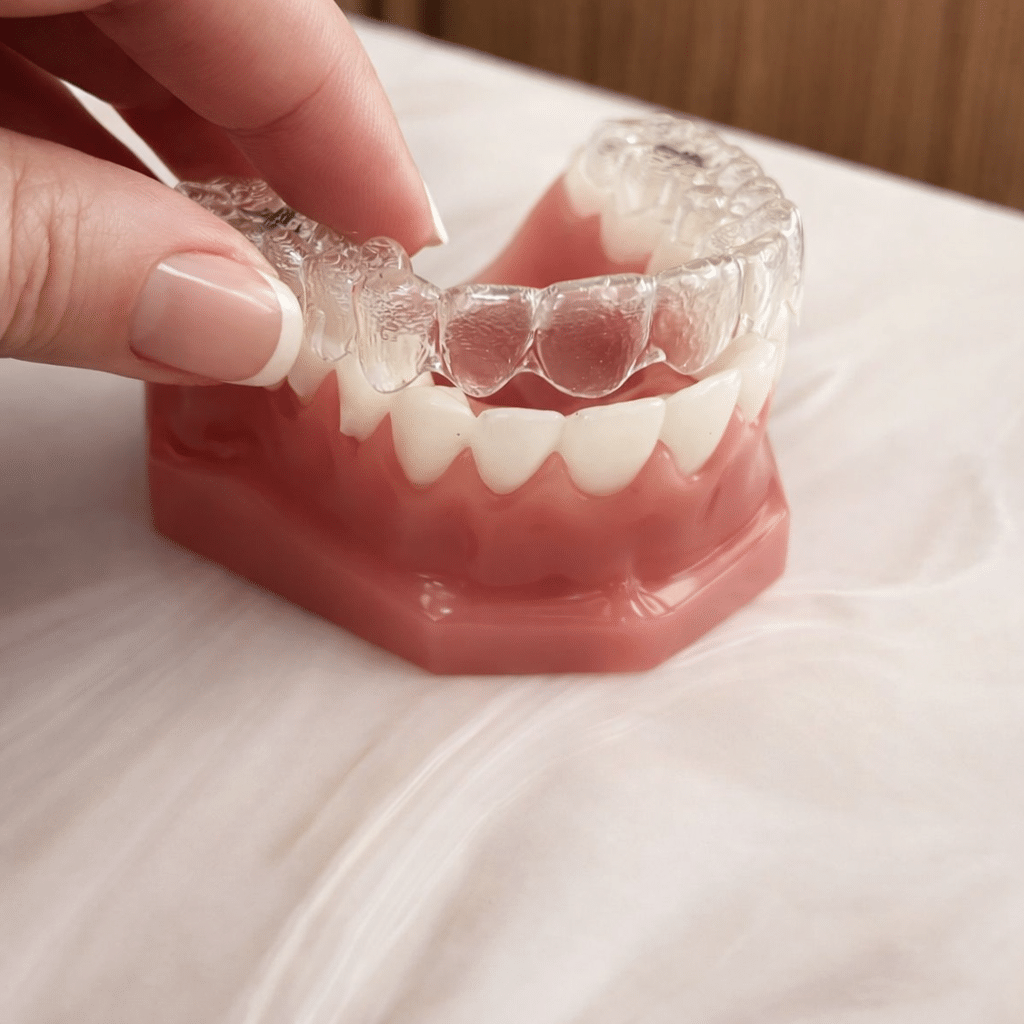
Invisalign® offers an alternative to traditional metal braces by using clear aligner trays to help gradually straighten your teeth. Most of the time, people assume this is a cosmetic therapy, and they’re not wrong – Invisalign can help move teeth into a beautiful, perfectly balanced arch. At CPW Dentistry, we believe the benefits of Invisalign are more than just cosmetic.

Making the UWS Smile Since '98

Modern aligner treatment, delivered with care.

Experience the precision of Invisalign treatment, guided by a team who makes every detail count. Invisalign®, the Invisalign logo, and iTero®, among others, are trademarks and/or service marks of Align Technology, Inc. or one of its subsidiaries or affiliated companies and may be registered in the U.S. and/or other countries.

  • Logo that reads Invisalign provider
  • Logo that reads iTero Digital Practice
  • Logo that reads Vivera Provider

Step-by-step:

Every Invisalign journey is different, but these are some typical milestones.

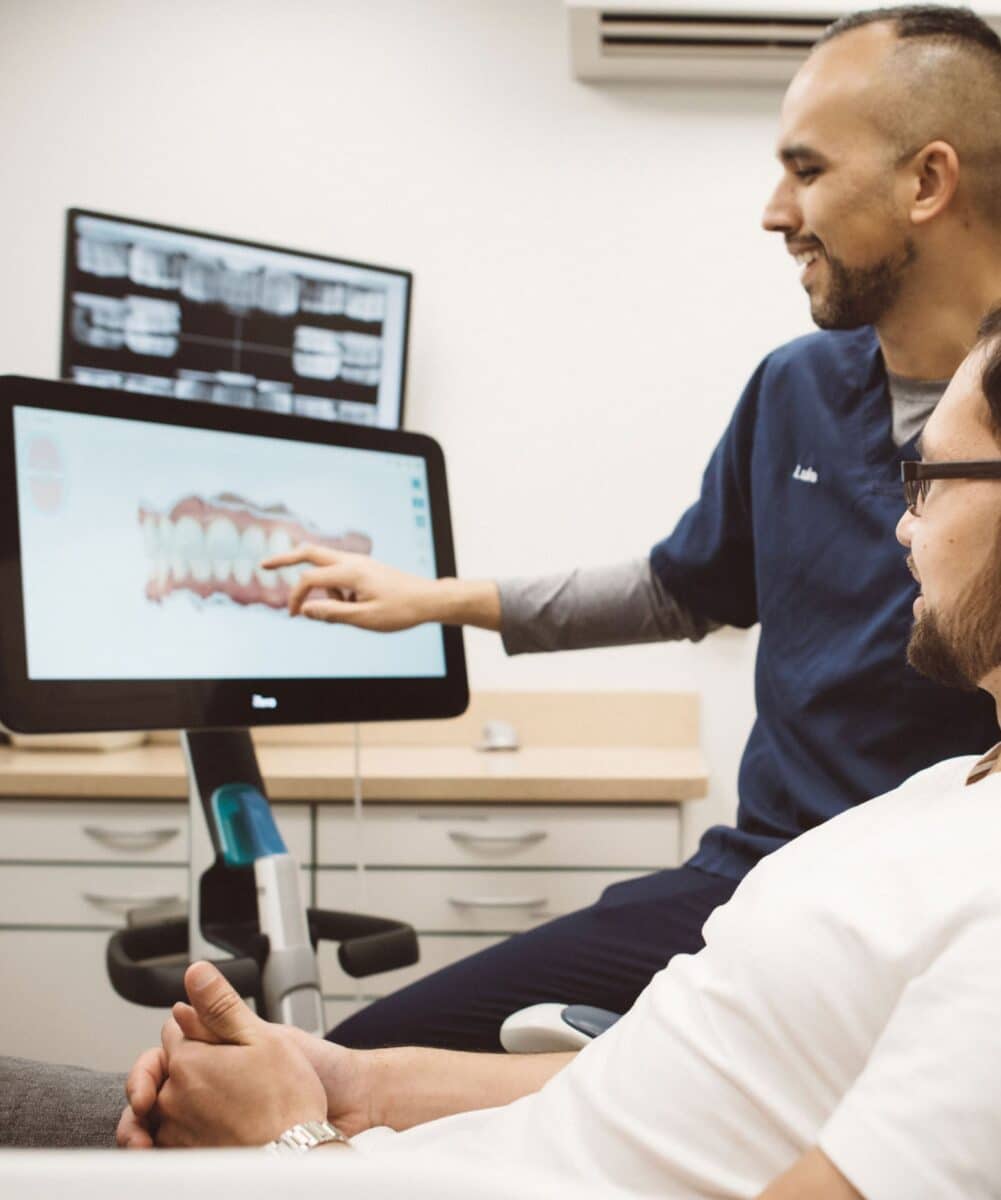
  • You’ll have a chance to ask all your questions and make sure Invisalign is the right choice for you. We’ll confirm that you’re a good candidate and use our iTero® Element™ scanner to take an incredibly detailed digital impression of your teeth and gums. No goo, no radiation! Then, we’ll use a 3D model to preview your potential results and help take the guesswork out of your decision. If you choose to begin treatment, this same scan can be used to create your aligners and retainers.

  • We’ll take a series of molds, x-rays, and photographs of your teeth to send to Invisalign so you can get your treatment started.

  • You and your provider will look at a 3D computer model of your teeth to see exactly how they will move, and what the final, proper, alignment will look like. At this visit, we’ll know how long your treatment will take.

  • Not everyone needs this step, but if we need to create a bit more space between teeth or place small, tooth-colored “buttons” to help the trays work effectively, this is when we’ll do it.

  • You’ll see your dentist about every six weeks so we can monitor your progress and provide your next sets of aligners. These visits are quick and give you the reassurance of consistent professional attention.

  • The average length of treatment is around a year, but it all depends on your unique treatment plan. Once everything is in its perfect place, we’ll remove any attachments we needed to place.

  • We’ll set you up with retainers to prevent your teeth from gradually shifting back toward their initial position.

What you’ll like about Invisalign

  • Nearly invisible: Invisalign aligners are almost impossible to see. As you get used to wearing the aligners you’ll hardly even know they’re there! Even though the trays are nearly invisible, the results aren’t. You’ll start to notice a difference in about six weeks.
  • Comfortable: Made of a BPA-free thermoplastic material, trays are smooth to the touch and lay flat against your teeth. Inserting and removing them is easy-peasy, and you can even pop them out for super-special occasions.
  • Eat whatever you’d like: Invisalign allows you to eat and drink all of your favorites. Because the aligners can be removed, there’s no risk of food damaging them. Go ahead and enjoy that movie theatre popcorn! Just don’t forget to floss.
  • Easy Oral Hygiene: You take out the Invisalign aligners when brushing and flossing your teeth, so you can brush and floss just like you always have. Full access to all of your teeth ensures easy oral hygiene maintenance.
  • Just the right number of visits: You’ll be coming in every 6 weeks so we can make sure your treatment is going according to plan, and give you the next sets of aligners. This gives you the convenience of 6 weeks between visits, and the peace of mind provided by getting the consistent professional attention you deserve.

What to know before starting

  • Commitment matters: For great results, you’ll need to wear your aligners for 20-22 hours a day, removing them only to eat, drink, or brush your teeth.
  • Mild soreness: It’s common to feel a little soreness or sensitivity to pressure when you first start your trays or change a new tray. Within a few days your teeth will adjust and you’ll be back to not even noticing they are there!
  • You get accessories: Some cases use tiny, tooth-colored “buttons” that help move teeth precisely. They’re barely noticeable and make a big difference.
  • Minor shaping: In some cases, we use a technique called IPR or Interproximal Reduction. This totally painless technique involves a slight filing of the teeth (we’re talking fractions of millimeters) to create space that allows easier and faster tooth movement.
  • You get smile besties for life: You’ve worked hard to achieve a healthy smile, and we’ll help you keep it that way! Once your treatment is complete, you’ll need to invest in retainers to make sure your teeth don’t shift.

Q&A With Cailin

CPW Dentistry’s very own hygienist, Cailin, completed Invisalign treatment, so we asked her a few questions:

  • That if I forgot to put my trays in right after eating, they would feel super tight again from my teeth starting to shift so quickly.

  • Brushing my teeth after eating before I put my trays in (you have to do this to help prevent cavities) and then being offered a snack the minute my trays were back in!

  • Yes! I always liked my smile, even before Invisalign, but afterward, I couldn’t believe how big my smile seemed! I just wish I’d done it sooner.

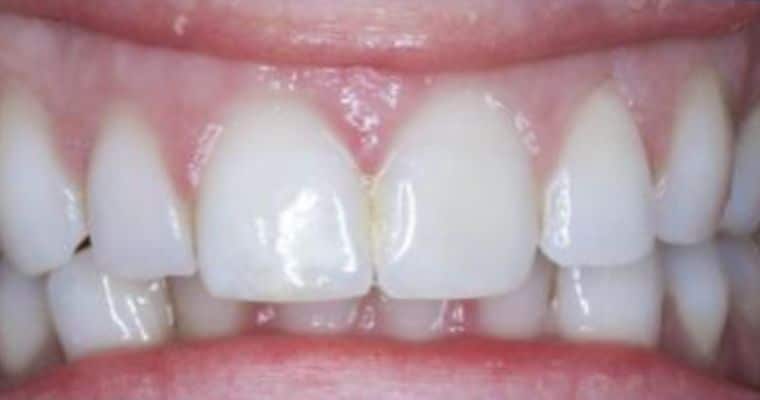
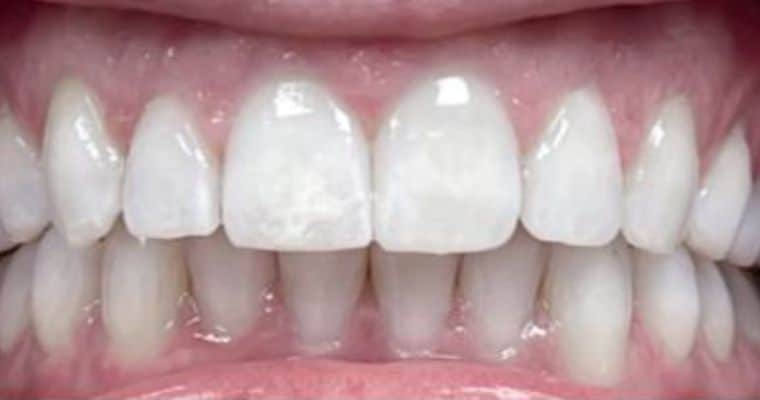
Invisalign Before & Afters

Loading Sliders

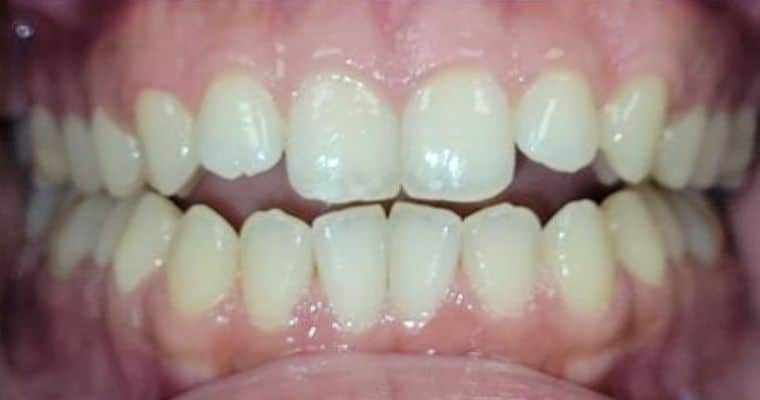
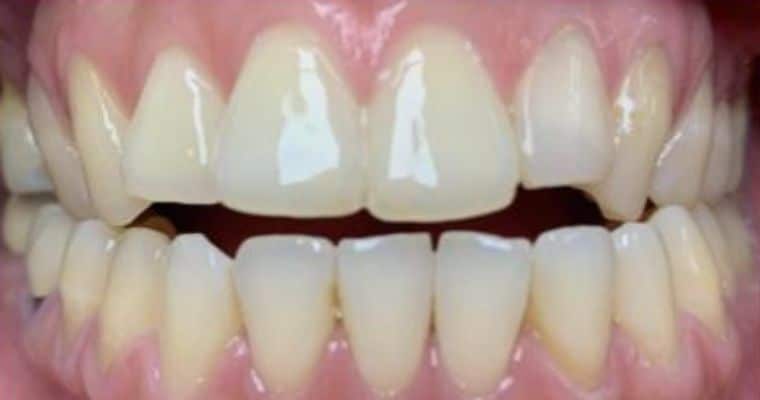
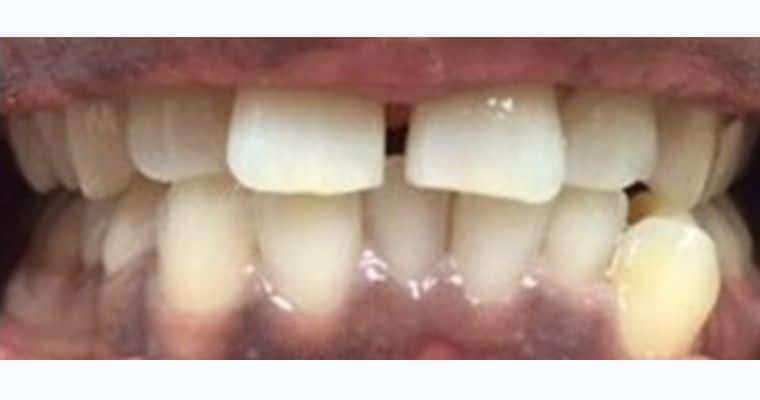
Before. Frontal view of the teeth showing a misaligned bite with an open space between the upper and lower front teeth when biting down. Several teeth appear slightly rotated or unevenly spaced, with visible gaps between top and bottom arches.
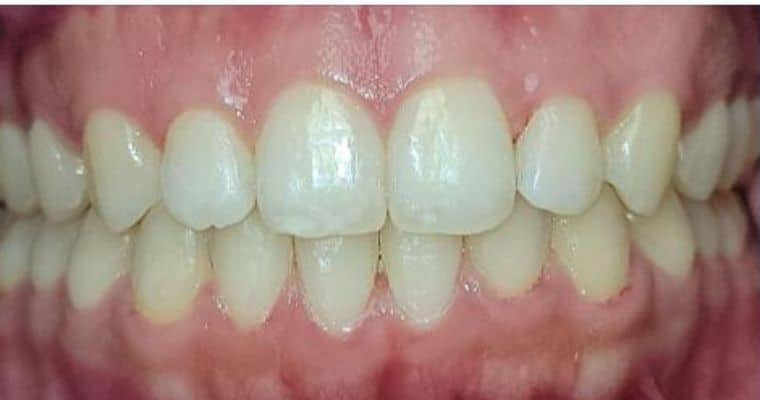
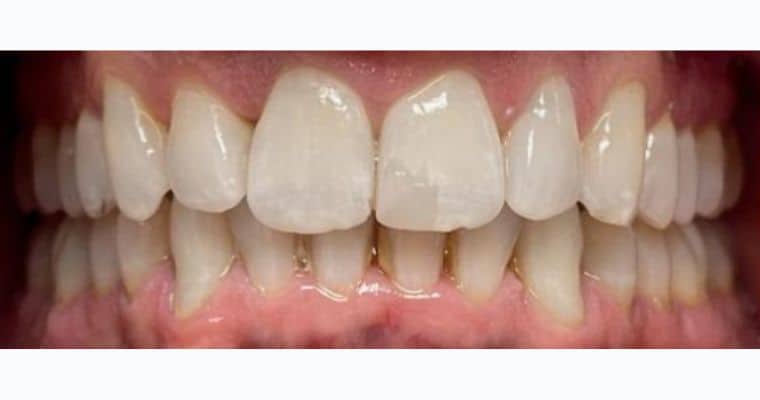
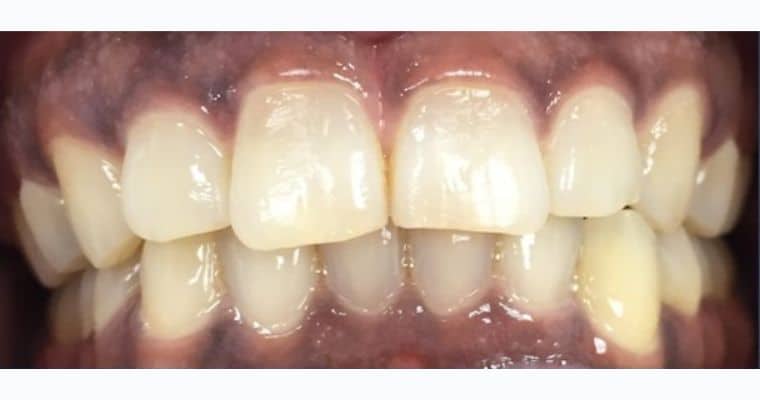
After. Same view following Invisalign treatment. The bite is now fully closed, with the upper and lower front teeth meeting evenly. The teeth appear straight and well-aligned, with improved spacing and symmetry across the arch.
Before. Frontal view of teeth showing moderate crowding in the lower arch and a noticeable open bite, where the upper and lower front teeth do not meet when biting down. The front teeth are also slightly flared forward.
After. Same view after Invisalign treatment. The bite is now fully closed, with the upper and lower teeth meeting evenly. Crowding in the lower arch has been resolved, and the overall alignment and symmetry of the smile are significantly improved.
Before. Frontal view of teeth showing an open bite, where the upper and lower front teeth do not touch when biting down. There is also mild crowding in the lower front teeth, and the bite appears unbalanced.
After. Same view after Invisalign treatment. The open bite has been fully corrected, with the upper and lower teeth now meeting evenly. The lower teeth are straighter, and the overall bite is more functional and symmetrical.
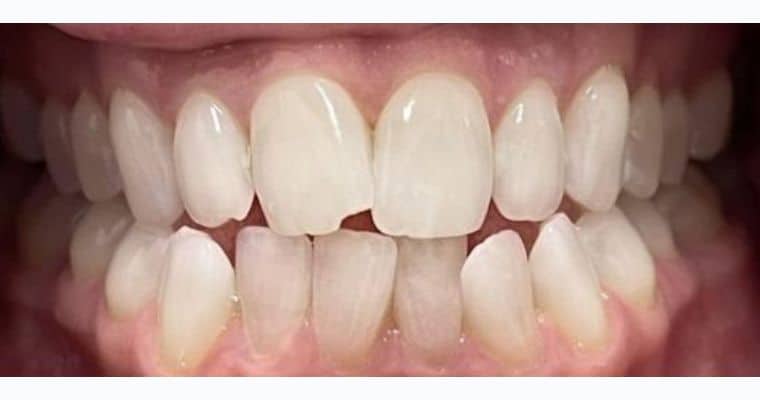
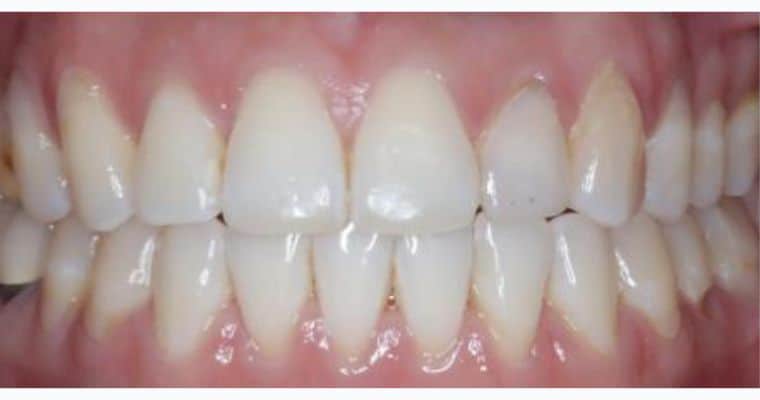
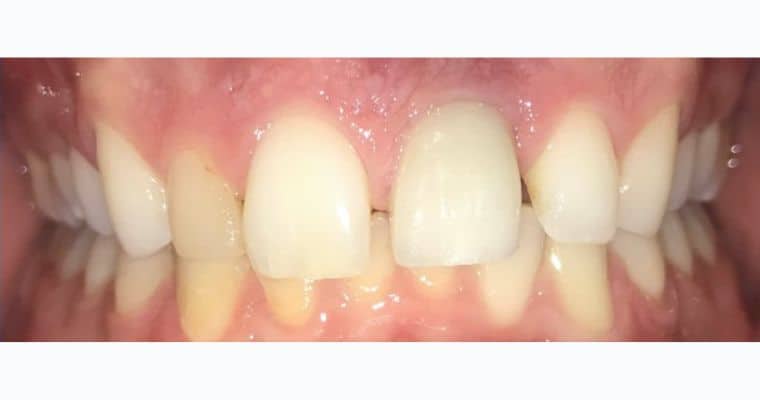
Before. Frontal view of the teeth showing a slight misalignment in the upper front teeth, with the dental midline slightly off-center. The upper right lateral incisor is rotated, and the overall arch appears mildly crowded.
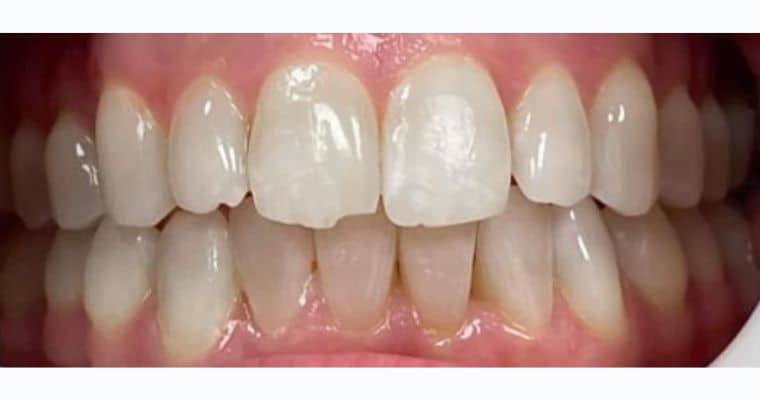
After. Same view after Invisalign treatment. The upper front teeth are now well-aligned with the midline centered, and all visible teeth appear straight and evenly spaced. The smile looks symmetrical and polished.
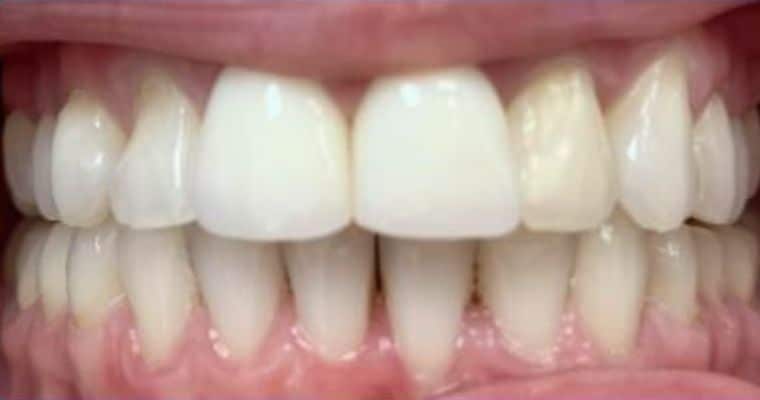
Before. View of teeth showing mild crowding and a bite where the top teeth overhand the lower teeth. The bite slightly flat.
After. Same view following Invisalign treatment. The bite has been broadened, with improved alignment and natural overlap of the front teeth. The canines are more upright, and the overall arch appears fuller and more balanced.
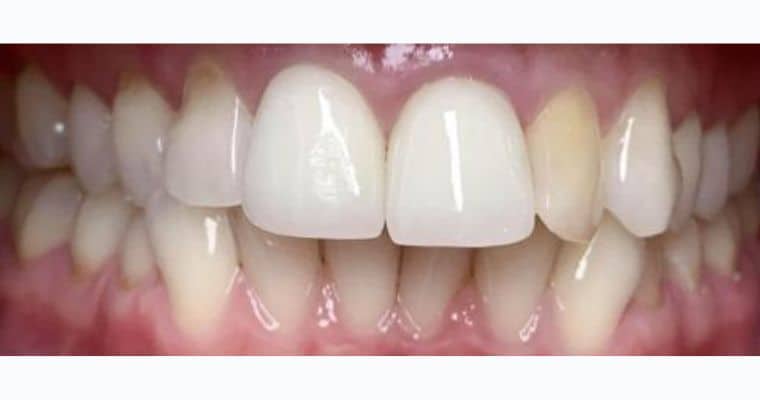
Before. Frontal view showing significant crowding in the lower teeth, along with misalignment in the upper arch. The bite appears uneven, and the upper central incisors are not aligned with the midline of the lower teeth.
After. Same view after Invisalign treatment. The teeth are now well-aligned, with improved spacing and symmetry across both arches. The bite is more balanced, and the overall appearance is cleaner and more harmonious.
Before. Frontal view of teeth showing a noticeable gap between the upper central front teeth, along with mild rotation of the teeth on the side. The bite appears slightly uneven, with spacing and alignment concerns in both arches.
After. Same view after Invisalign treatment. The central gap has been fully closed, the side teeth are now properly aligned, and the bite appears more even and harmonious.
Before. Frontal view of the teeth showing a slight misalignment in the bite. The upper and lower front teeth don’t fully line up, with mild crowding and uneven contact between the arches when biting down.
After. Same view after Invisalign treatment. The bite has been corrected, with the upper and lower teeth now meeting more evenly. The overall smile looks more symmetrical and well-aligned from top to bottom.